A swap-out is a two-truck move disguised as one call: Step 1, you phone in with the address and size; Step 2, the driver confirms the container is full and ready; Step 3, the loaded roll-off is picked up; Step 4, an…
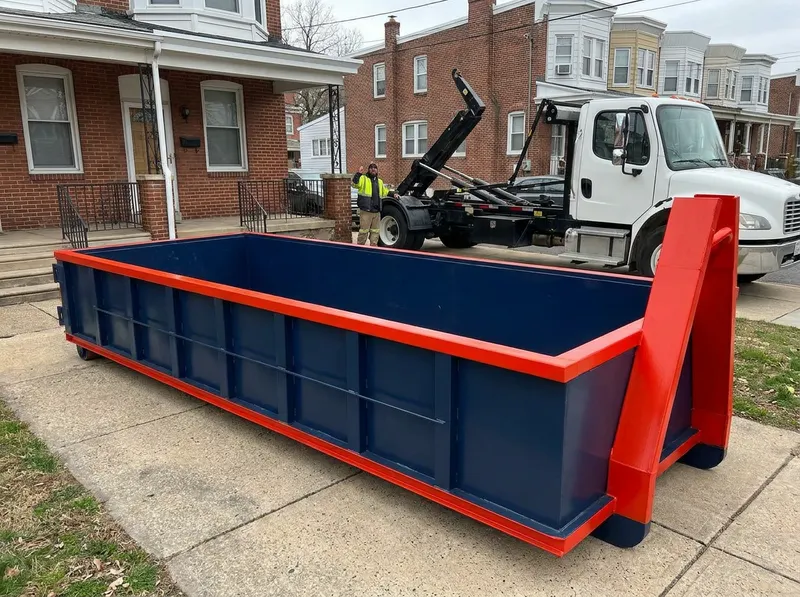
A swap-out is a two-truck move disguised as one call: Step 1, you phone in with the address and size; Step 2, the driver confirms the container is full and ready; Step 3, the loaded roll-off is picked up; Step 4, an empty of the same size is set in its place; Step 5, the full load goes to a licensed transfer station. For a gut renovation in Fishtown or a multi-unit cleanout in Northern Liberties, a swap keeps the job moving instead of stalling a crew while debris mounts on the sidewalk. A dumpster rental is not junk removal, you load the container yourself, and the swap simply resets the empty space when the first one fills. Illegal dumping carries city penalties, so a timely swap also keeps overflow off the curb; the City of Philadelphia outlines its Streets Department waste and debris rules and the EPA's guidance on construction and demolition materials covers how that debris should be handled.
Sizing drives the swap decision. The 10-yard holds roughly 4 pickup-truck loads and suits a single bathroom remodel or a small Point Breeze row-home cleanout; the 20-yard, near 8 loads, fits a kitchen tear-out or flooring job; the 30-yard and 40-yard carry a whole-house gut or a roof tear-off. If one dense load of plaster and tile fills a 10-yard fast, a swap to a second 10-yard often beats upsizing when a larger container will not fit a narrow Manayunk or Roxborough street. The trade-off is simple: a single large container saves a second delivery but needs more curb or driveway space, while a swap keeps the footprint small on tight blocks. Heavy debris like concrete, brick, and dirt should go in a 10-yard or 15-yard because weight, not volume, governs what a truck can legally carry on the road; the FMCSA's commercial vehicle weight limits explain why.
Philadelphia logistics shape every swap. Row-home streets in South Philadelphia, Fairmount, and Port Richmond leave little clearance, so a driver needs a clear 60-foot approach and about 8 feet of width to set a container straight. Containers placed on a public street in Germantown or Mount Airy generally require a permit from the City; placement on a private driveway or lot usually does not. The Department of Licenses and Inspections handles those street-use requirements, and residential parking near Citizens Bank Park or Fairmount Park may need cones set out the night before. A driver familiar with the Wissahickon Valley Park side streets and the alleys off Girard Avenue can place and swap containers where a wider truck cannot turn. Jobsite loading follows OSHA construction safety standards, and recyclable loads can be sorted using Earth911's recycling locator; appliances holding refrigerant fall under EPA Section 608 refrigerant rules, and household hazardous waste must be kept out per EPA household hazardous waste guidance. Debris diversion data from the construction and demolition recycling industry shows how much of a mixed load is recoverable.
Every job gets a firm, written price after an on-site visit.
Tell us about your same-day delivery & swap-out job in Philadelphia and we'll send a clear, written quote, usually the same day.
 Blue Collar Dumpster Rental